


 English
 Spanish
 French
 German
 Italian
 Chinese (Simplified)
 Japanese
 Korean
 Arabic
 Portuguese
Call us
08045815240
08045815240

Disinfectant thermal fogging machines are commonly used in hospitals, schools, offices, and other public places to help prevent the spread of infectious diseases. However, it is important to note that while thermal fogging machines can be effective in killing pathogens, they are not a substitute for regular cleaning and disinfection practices. It is important to follow proper cleaning and disinfection protocols in conjunction with the use of a thermal fogging machine to ensure the highest level of cleanliness and safety.
1. What purpose does thermal fogging serve?
Ans - As was already noted, thermal foggers were frequently employed to keep mosquitoes at bay. Nevertheless, since the Coronavirus outbreak, these same fogger machines are also utilised to disinfect and clean surfaces and regions of germs.
2. What is the working principle of fogging machine?
Ans - A liquid, such as glycol or liquid nitrogen, is typically used in a fluid-based fogger machine. In order to create vapour, it warms the mixture. The vapour then exits via the nozzle, combining with the chilly air to create a thick fog. This type of fog clings around longer than the dry ice fog.
3. What kind of chemical does a thermal fogging machine use?
Ans - A controlled or indoor environment can be sanitized with the help of chemical fogging, particularly H2O2 or hydrogen peroxide fogging. The hydrogen peroxide alone is a potent decontaminate, and when delivered in an aerosol form, it is capable of accomplishing a 6-log kill.
4. Thermal fogging: is it harmful?
Ans - No. As long as the chemicals utilised are safe to use where people and animals will be present, fogging itself is not dangerous to either people or pets.
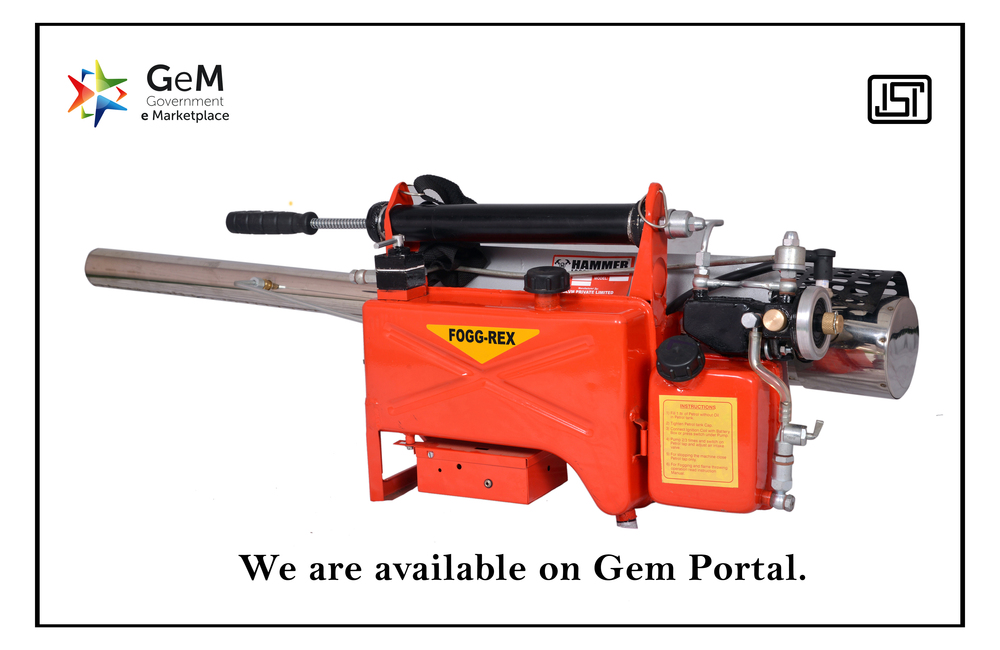
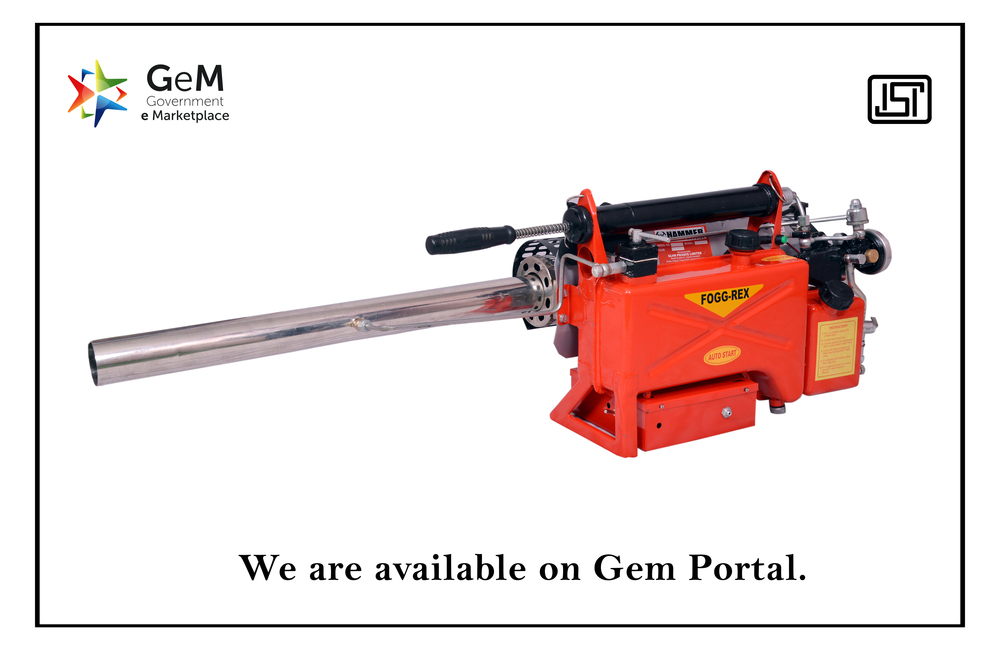
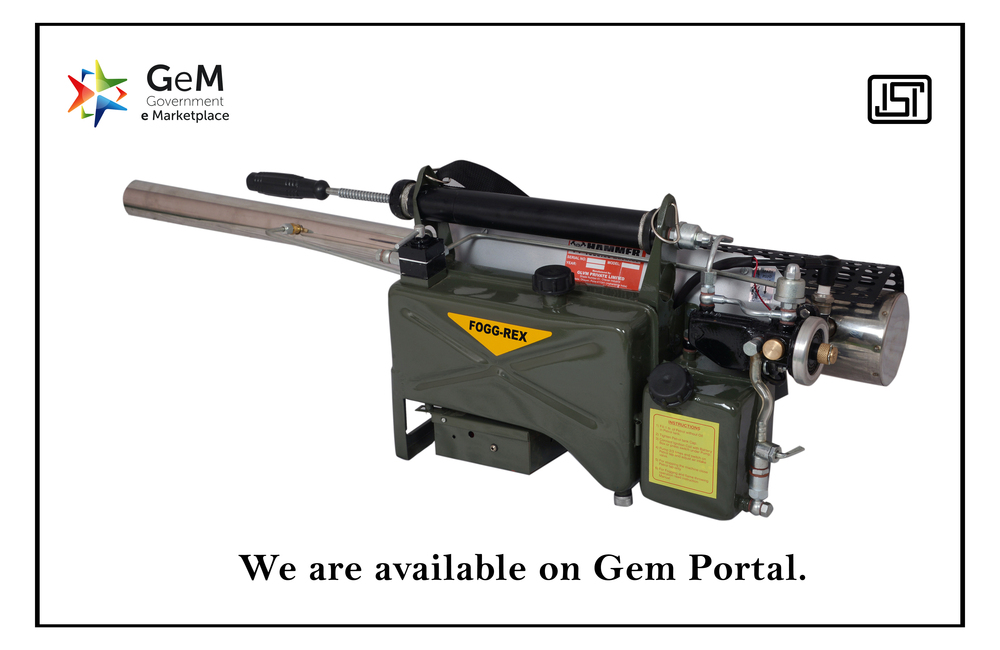
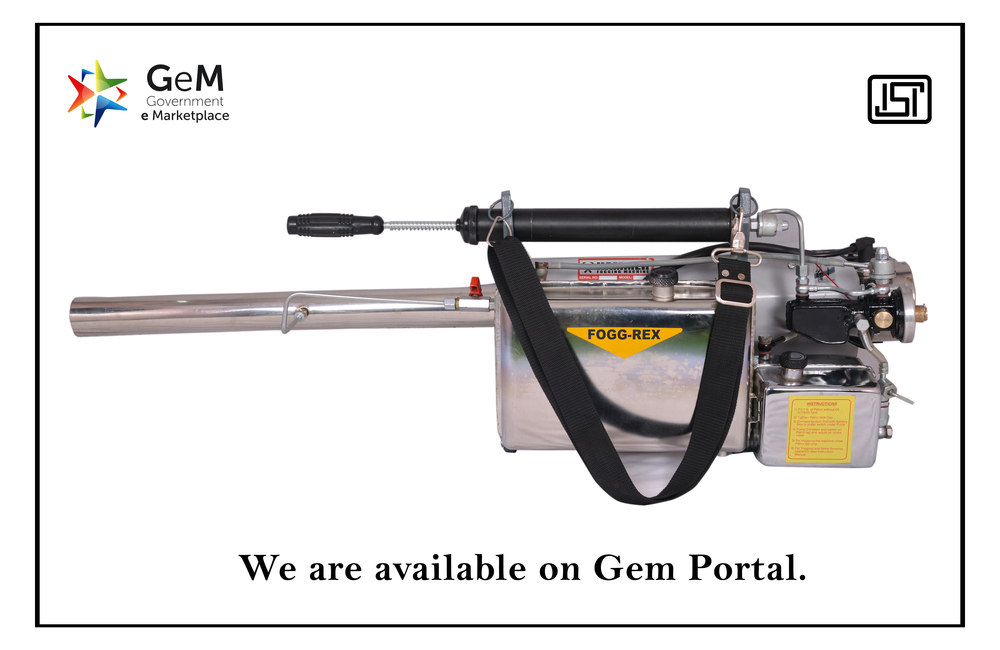
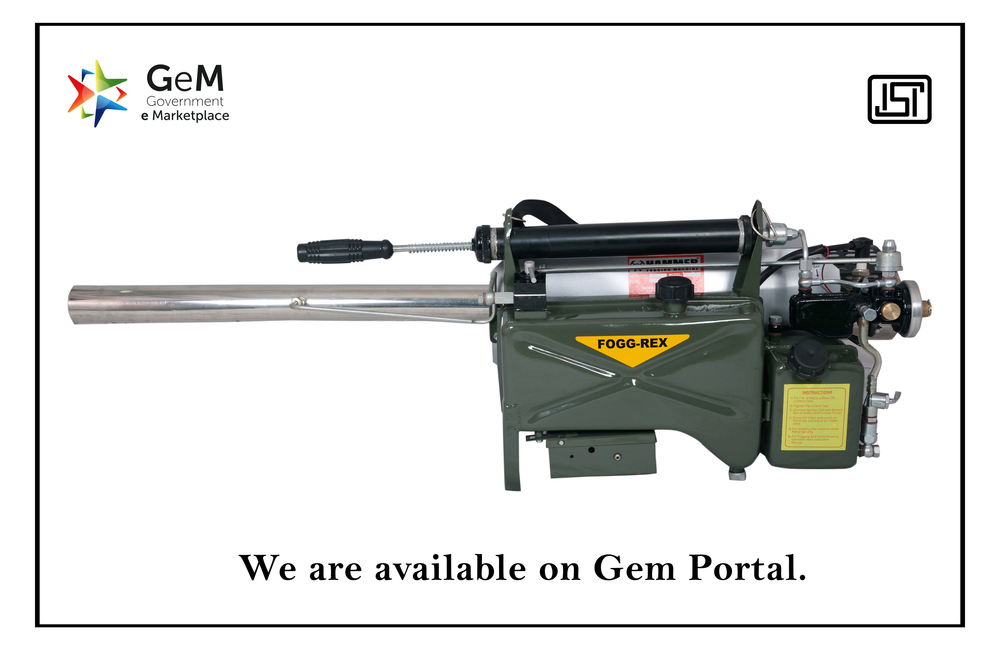
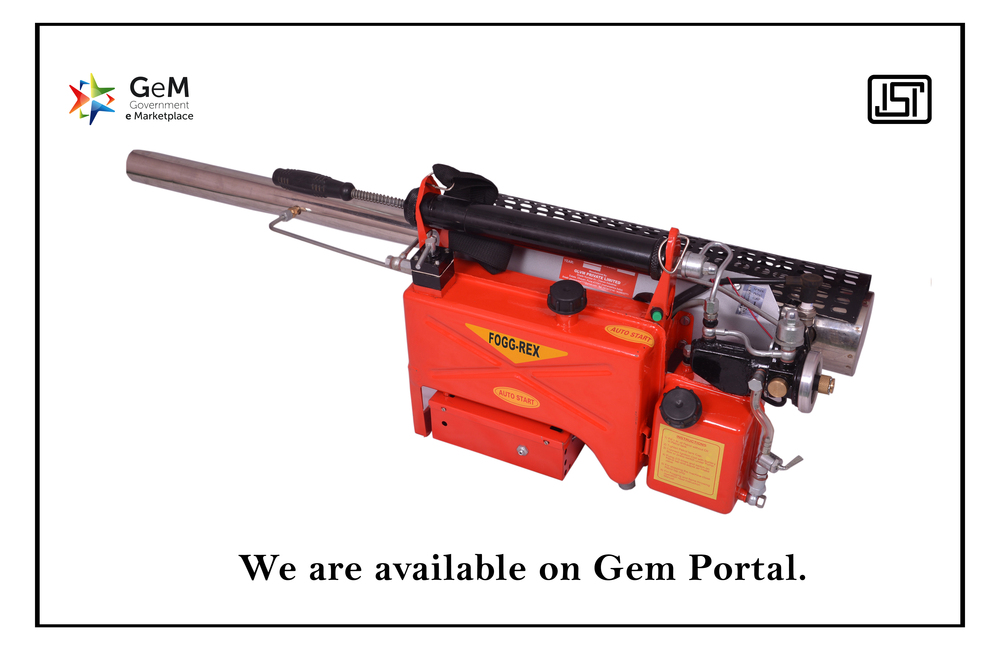

Price:
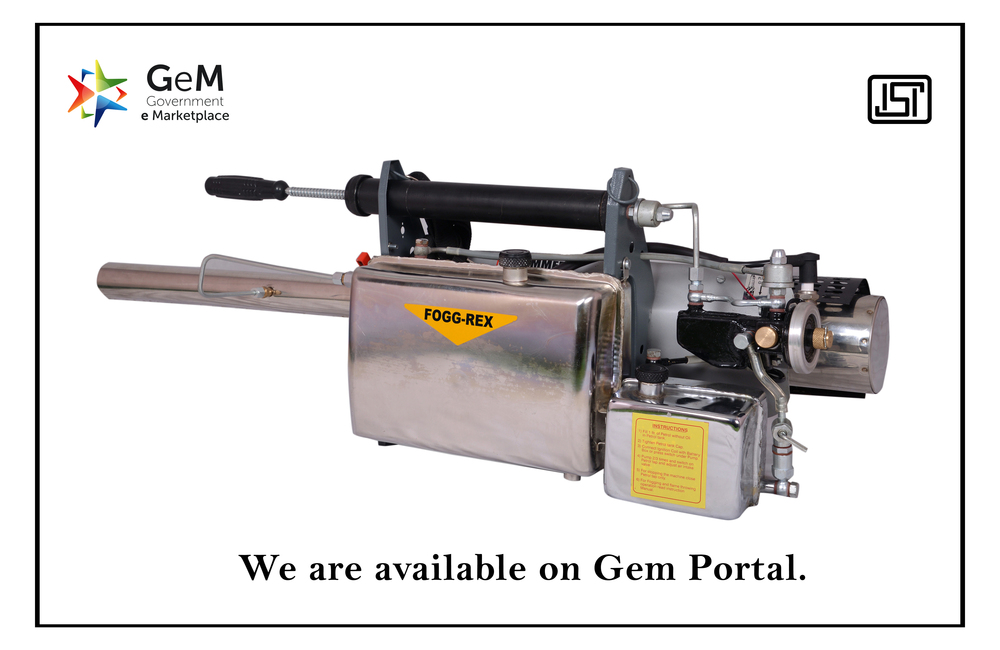
Price 32500 INR / Piece
Minimum Order Quantity : 10 Pieces
Tank Capacity : 5 Liters Liter (L)
Usage & Applications : Insecticide fogging for pest control in agriculture, warehouses, food processing units, hospitals, and livestock areas
Product Type : Fogging Machine
Control Mode : Manual
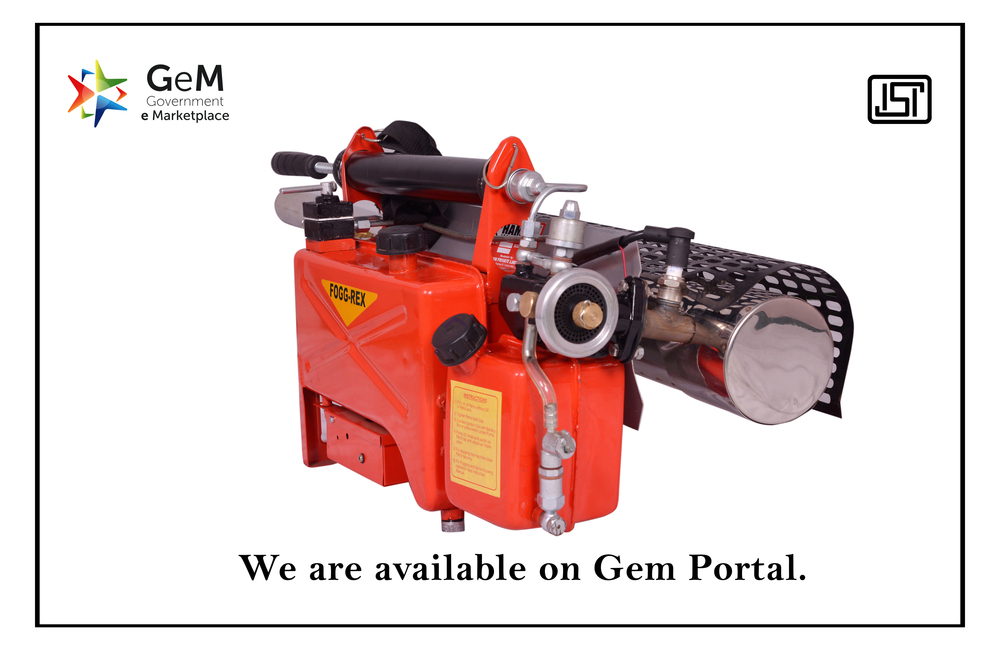
Price 32500 INR / Unit
Minimum Order Quantity : 10 Units
Tank Capacity : 1.2 Liter (L)
Usage & Applications : HEALTH AND HYGIENE
Product Type : PORTABLE THERMAL FOGGER WITH PULSE JET ENGINE
Control Mode : MANUAL
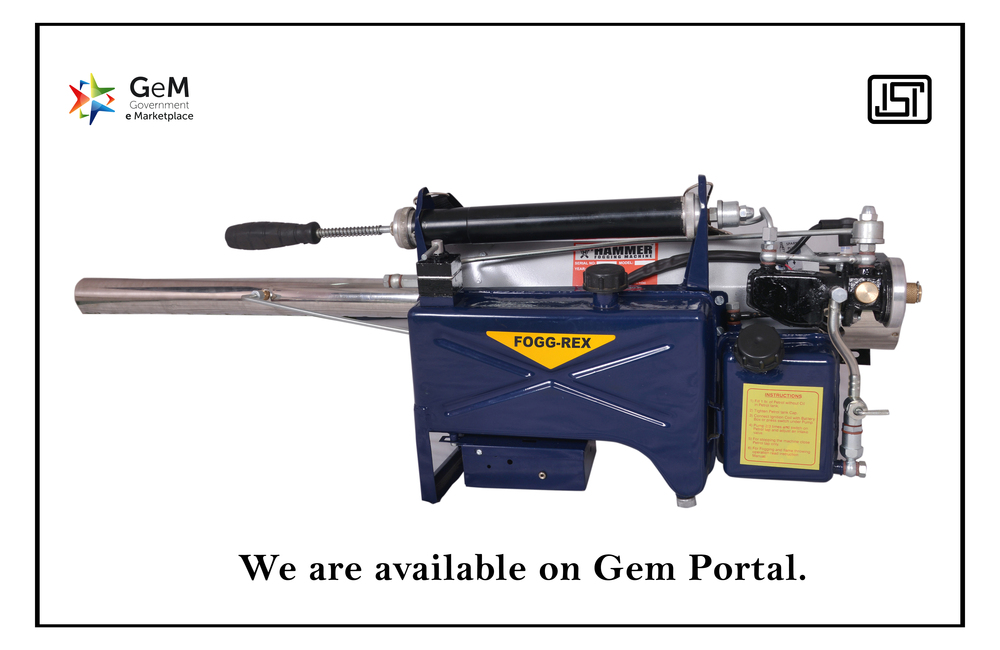
Price 32500 INR / Number
Minimum Order Quantity : 10
Tank Capacity : 6 liters (solution), 1.3 liters (fuel)
Usage & Applications : Mosquito Control, Pest Management, Disinfection
Product Type : Portable Fogging Machine
Control Mode : Manual
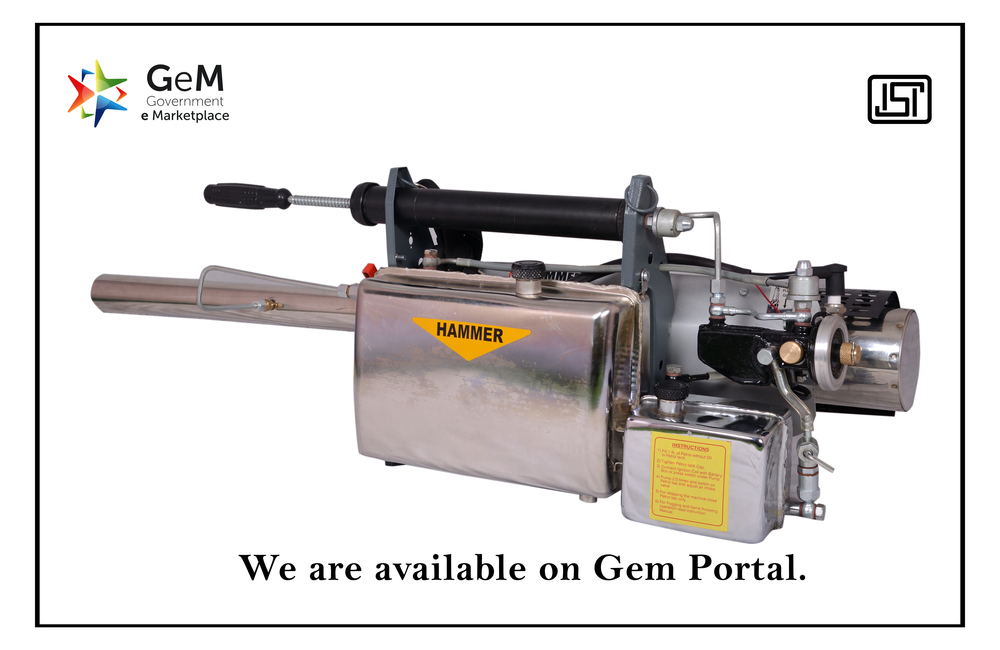
Price 35000 INR / Pole
Minimum Order Quantity : 10 Pieces
Tank Capacity : 5 Liter (L)
Usage & Applications : HEALTH AND HYGIENE
Product Type : THERMAl Fogging Machine
GST : 27AAJCG7360B1ZO





 Send Inquiry

 Send Inquiry

 Send Inquiry
 Send SMS
 Call Me Free